
Regenerative Organic
Australia’s first Regenerative Organic vineyard.
Certified in December 2023 by the Regenerative Organic Alliance and Australian Certified Organic, and one of the first twenty vineyards in the world.
In plain words
What is regenerative organic wine?
Wine from a vineyard that is farmed to rebuild its soil, not only to avoid chemicals: the ground kept covered with living plants, the soil left undisturbed, no synthetic sprays, and room made for wildlife.
Regenerative Organic Certified® is the standard that audits it. It starts with organic certification and adds soil health, animal welfare and fairness to the people who do the work. Inkwell was the first vineyard in Australia to be certified, in December 2023.
How it began
It began with the temperature of the soil.
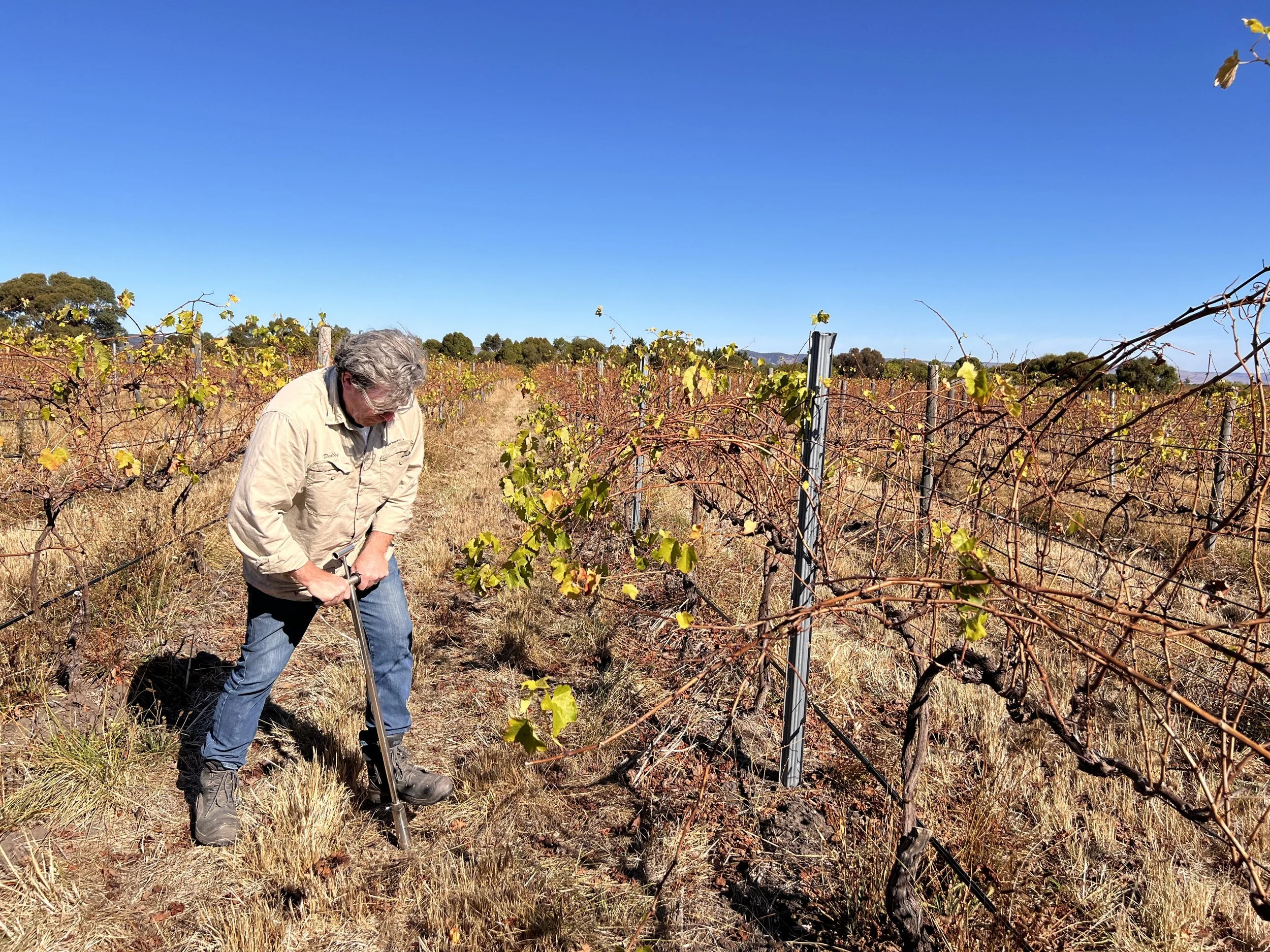
Inkwell’s regenerative journey began in 2016, when we observed surface soil temperatures of 62 degrees Celsius on a hot day in one exposed part of our vineyard. Thirty minutes at 62 degrees kills all life, so we were not surprised when the vines in that area aborted about half of their fruit later that day. We realised we had a problem that would get worse with time, and could only be solved by changing what we were doing or by removing vines.
Serendipitously, Dudley was recuperating from a double knee replacement in 2017 and reading a lot. He found the seminal books on regenerative farming, Gabe Brown’s Dirt to Soil and David Montgomery’s Growing a Revolution, and was hooked. The principles were so common sense and intuitively connected that we started testing this approach in 2019 and were “all in” by 2021.
This was never easy ground: thin, alkaline soil with a pH above 8, and as little as 0.16 per cent carbon on the light soils.
-
Keep the ground covered
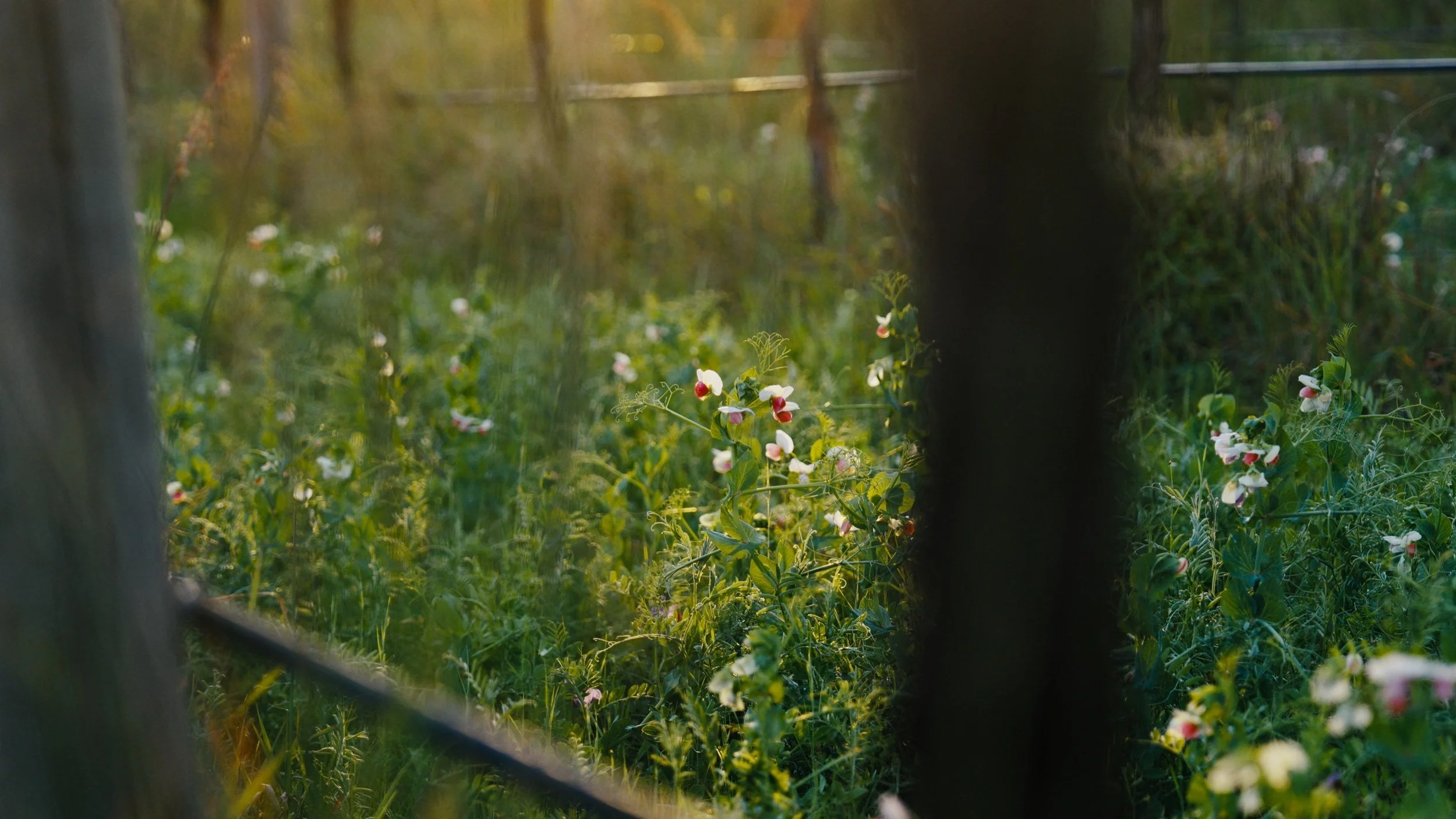
Diverse families of plants, grasses and broad leaves, legumes, vegetables and forbs, or plant residues, year-round, to feed communities of microbes, fungi and insects.
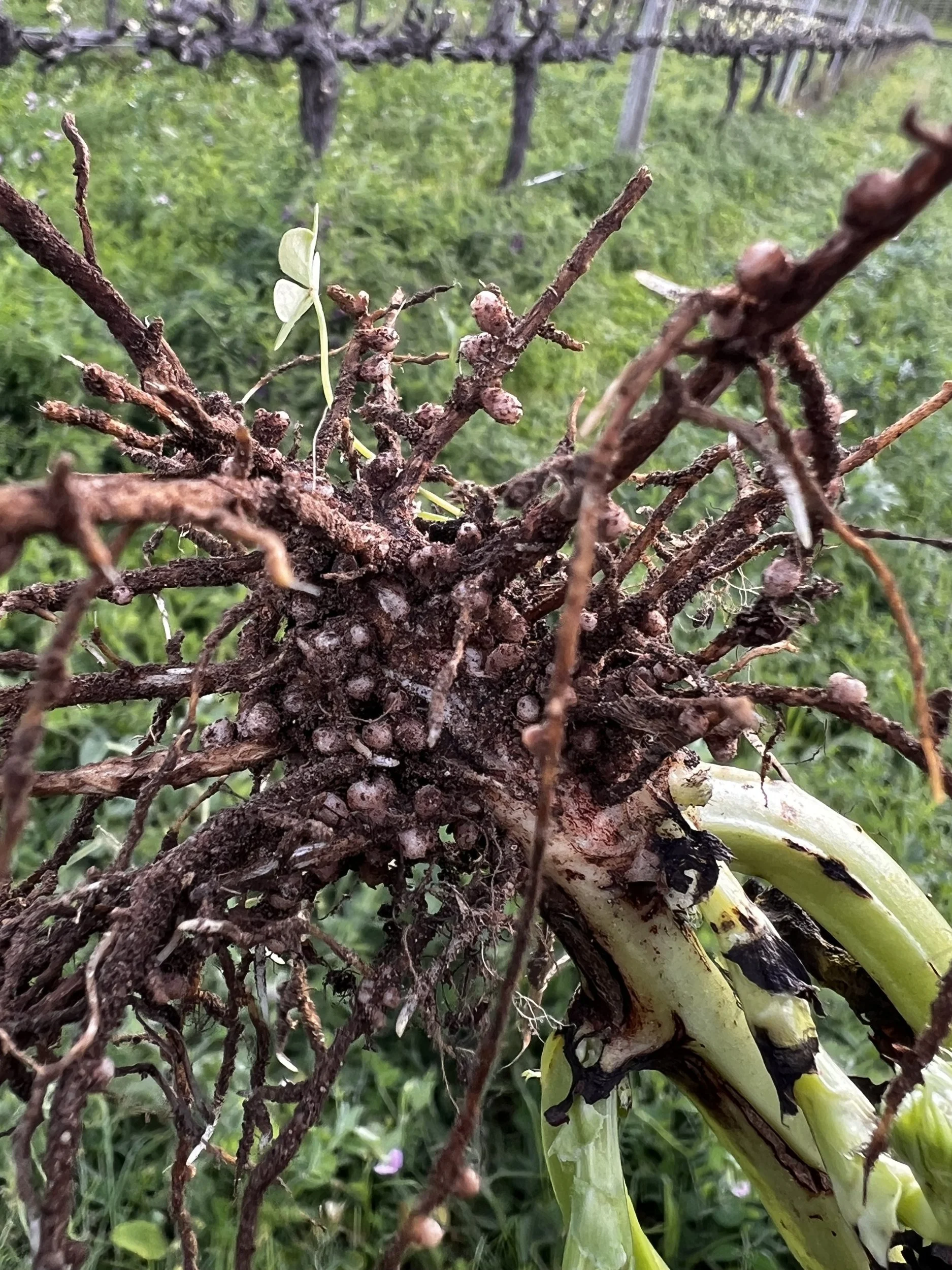
Legume nodulation. In these small nodules, bacteria turn nitrogen from the air into a form plants can use.
-
Leave the soil alone
Reduce or, ideally, eliminate soil disturbance by cultivation and ploughing.
-
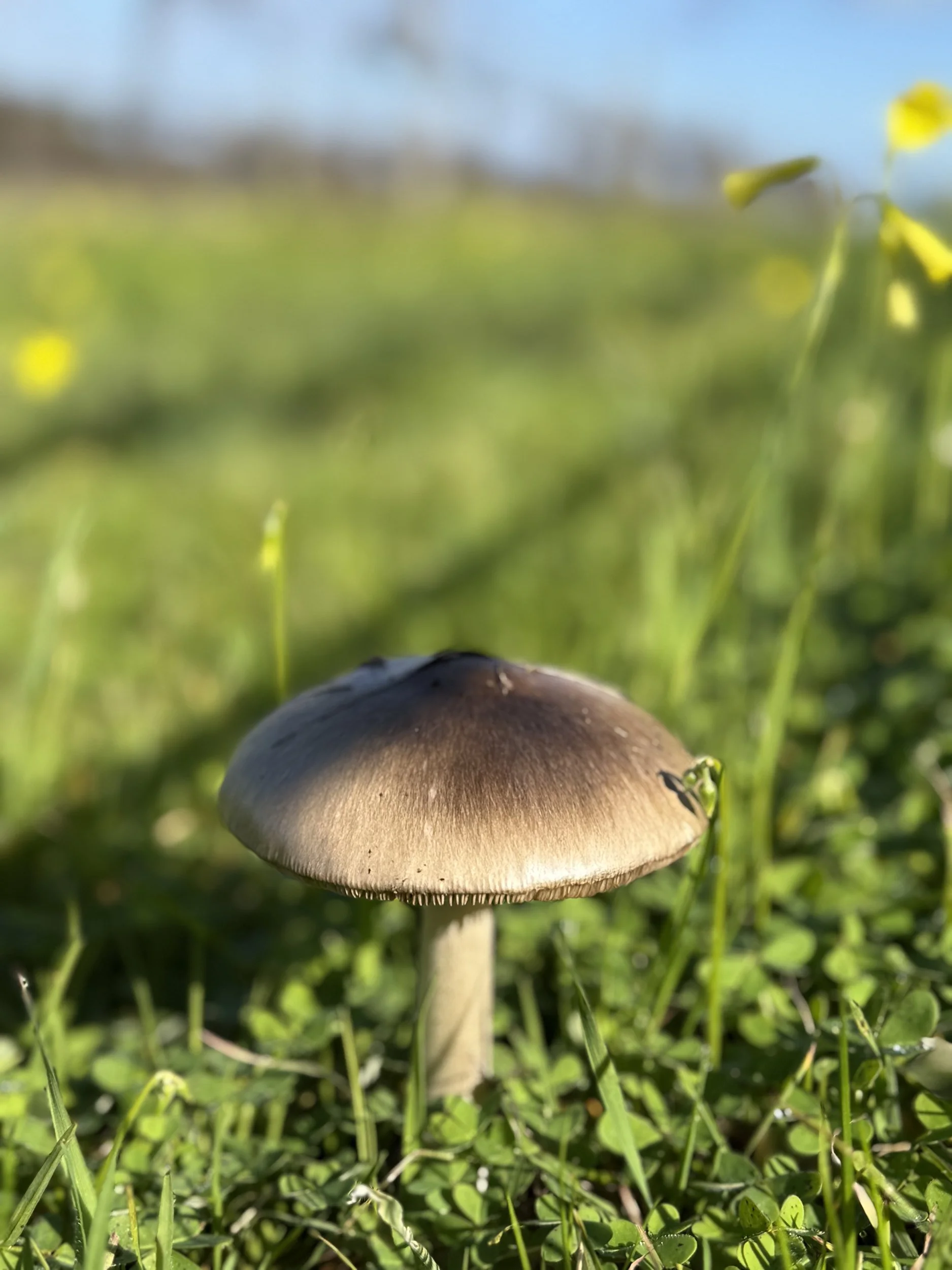
No synthetics
Reduce or, ideally, eliminate synthetic herbicides, insecticides and fertilizers. We have not sprayed any herbicides.
-

Encourage biodiversity
Wherever possible.
-
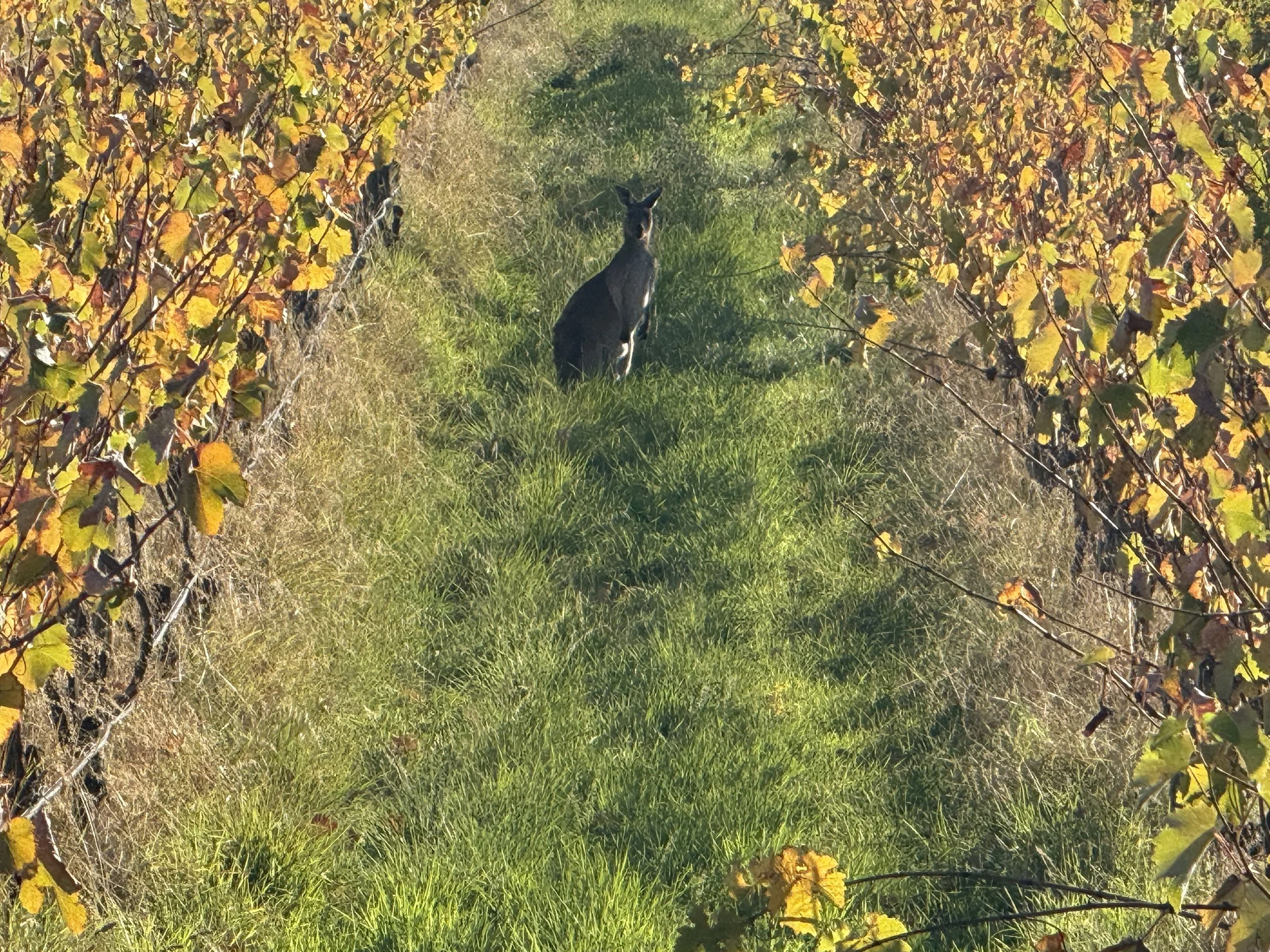
Grazing animals
We follow all of these principles except intentional grazing. (But, the kangaroos do help out.)
Regenerative, in numbers
From sand mine to living soil.
2003 Dudley buys 16 hectares stripped by sand miners. The sandy soil holds 0.16% carbon. Healthy farm soil holds 2 to 3%.
2016 On a hot January day, bare soil reads 62 °C. About half the Primitivo crop drops that afternoon.
2017 Certified organic.
2019 Our first regenerative trial: diverse cover crops on 15 acres.
2021 All in. The Primitivo block is covered in plants for the first time.
2023 The Primitivo block, once 0.16% soil carbon, now measures 1.4%, nine times more.
2023 In December, Australia’s first Regenerative Organic Certified® vineyard.
2025 Three years of soil tests, through 2024’s record drought: 114 tonnes of carbon stored.
2026 110 bird species heard in six months. In 2011 we counted about 40.
Carbon stored in our soil
140 tonnes 2003 to 2022, 19 years. About 7 tonnes a year.
114 tonnes 2022 to 2025, 3 years, regenerative. About 38 tonnes a year.
Three years of regenerative farming stored almost as much carbon as the nineteen years before. That’s 5.2 times faster.
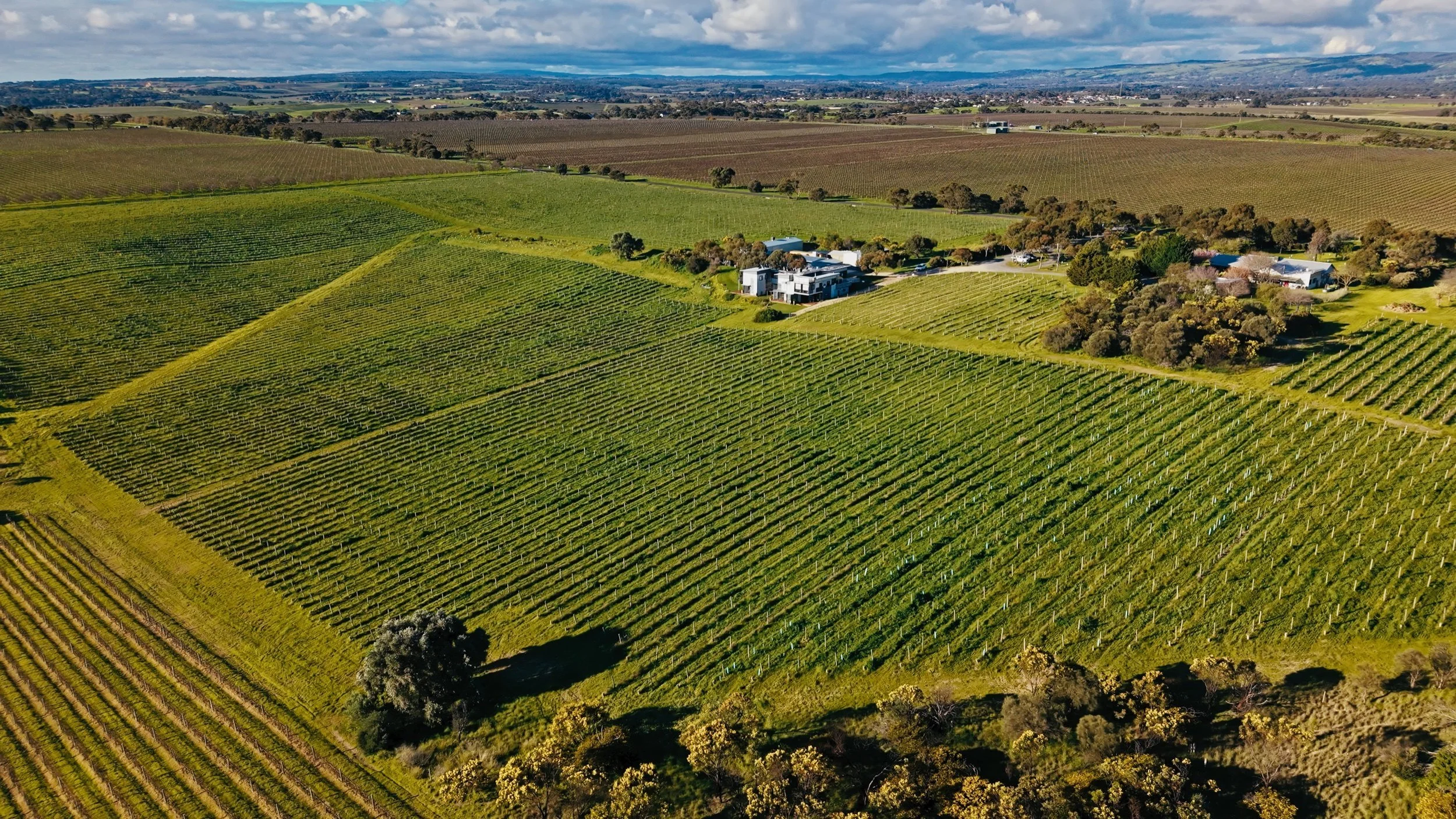
2025 Carbon Report
What we have measured.
Each year we calculate our carbon sequestration and emissions and share them, for anyone curious about regenerative viticulture. Read the 2025 report
-
5.3 times
as much carbon sequestered as we emit growing, making and selling our wine.
-
254 tonnes
of soil carbon added between 2003 and 2025, about 24 tonnes per hectare.
-
5.2 times
the yearly rate of sequestration from 2022 to 2025, compared with the prior 19 years.
-
100,000 litres
of additional water holding capacity per hectare.
-
92.3 tonnes
of carbon sequestered, net, over the three years from 2022 to 2025.
-
5 sprays
of sulfur and / or copper over the last four seasons. The local average is 5 to 8 per season.
What we’ve seen
A block that gave no fruit for 20 years.
One section of our Shiraz had produced nothing for 20 years. After a winter under a cover crop of medic, it started to grow in the middle of summer.
Sugar at harvest has come down by at least one Baumé, from the 14s to the 12s, so our wines carry less alcohol in fully ripe fruit.
In a tough disease year for McLaren Vale, with no sulphur or copper sprays that season, we lost less than one per cent. We waited five or six years after starting before we dared try it.
The cheapest thing we do is plant native trees and shrubs: about 250 seedlings a year, for under $500.
-

Native and insectary plantings
-

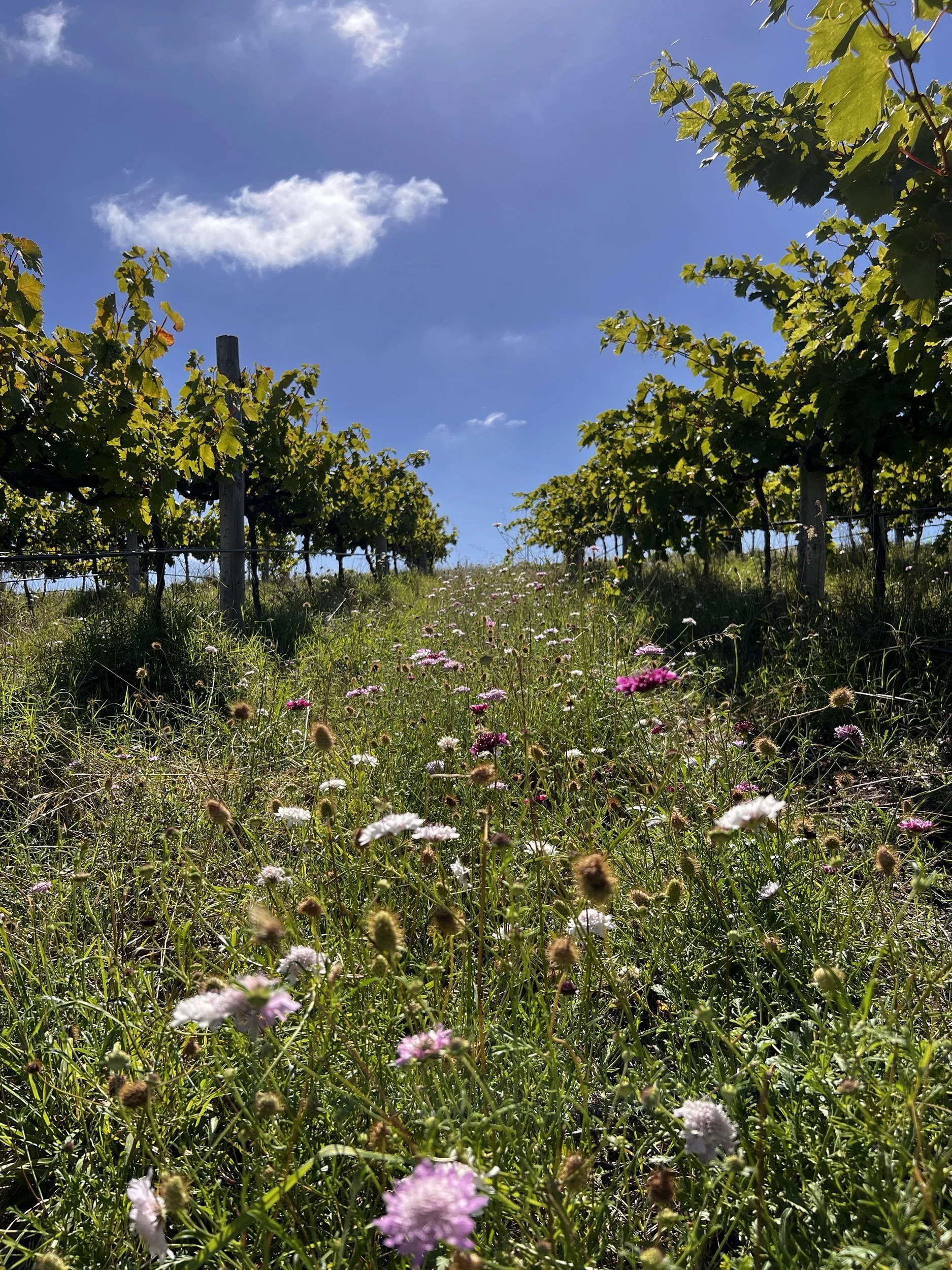
Wildflowers growing between our vines
-
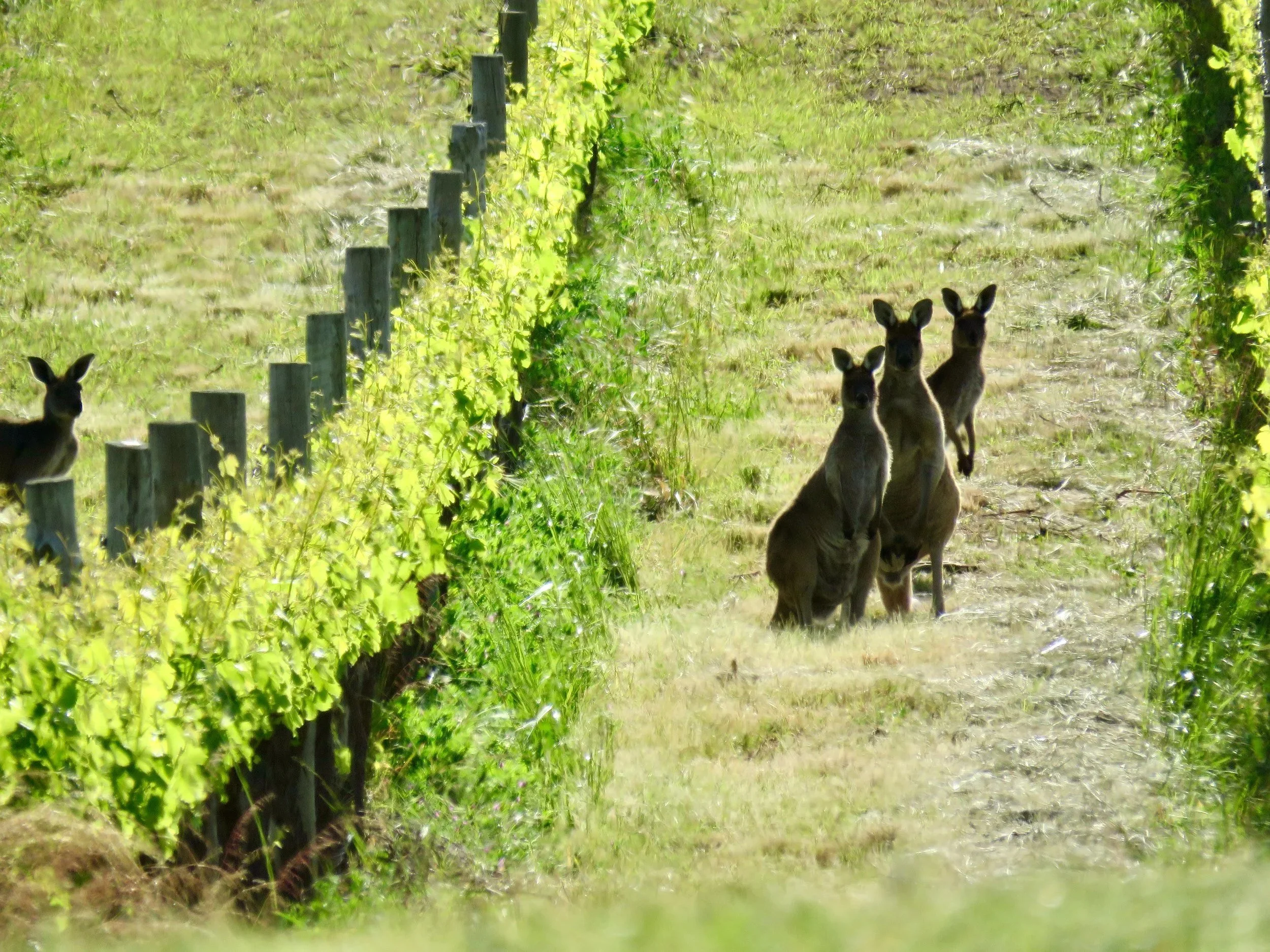
Wildlife
-
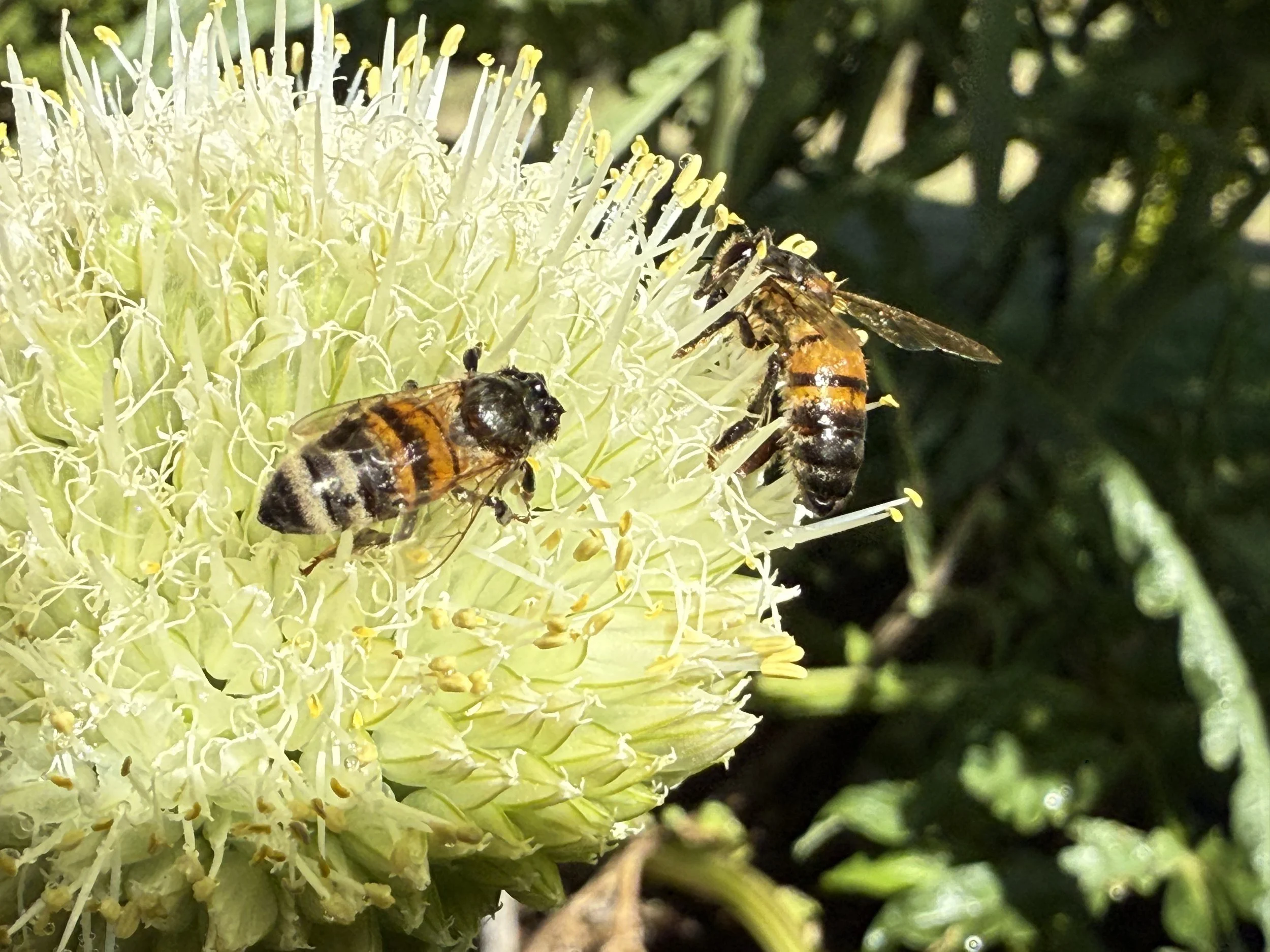
Bees on the native flowers
Diversity
Systems are more resilient with diversity.
Every living system is stronger for its diversity, a farm as much as a society. Natives, diverse cover crops and flowers between the rows and under the vines keep the system honest: no plant takes over except the vines we grow for our wine. Together they work in synergy, and the soil gains carbon and life.
At Inkwell, diversity is our mantra. We replaced a mid-row grass monoculture with a mix of plants and grasses, first in every other row of two blocks, to see what it did, and then across the whole vineyard. We crimp-roll it, so the soil stays covered and cooler, with more nitrogen and more carbon. The vines cope better with extreme weather, and we can pick at full ripeness with less sugar.
Corridors for wildlife
About 20 per cent of the property is biodiversity corridors, running across the middle of the site and joining the bushland beyond our fences. They give native animals and insects a sanctuary and a pathway, and those help keep invasive populations in check.
Eight grapes, not one
The same goes for our grapes. When Dudley bought Inkwell in 2003, it grew only Shiraz. He planted Viognier for a grape contract, and when that didn’t work out as he had hoped, he made wine from it himself. It became the first white wine Inkwell ever made.
Zinfandel was his passion. Coming from California, he knew it and loved it, and hardly anyone in McLaren Vale grew it. It is a tough vine, and this is tough soil, so he gave it a go. That is how our Zinfandel blocks began.
Since then, we have chosen each new variety to make the business stronger in every way. A cellar door needs more than one or two wines, for different people and different tastes. And each patch of the vineyard suits some vines better than others. One low corner was too wet for Zinfandel, which grew far too many leaves there, so we planted Cabernet Sauvignon. It is nearly dry grown, on the water that drains down to it. Grenache, Mataro, Grillo and Carricante cope with the heat and use far less water than Shiraz.
We began with one grape variety and now have eight, some on their own roots and some grafted. We are also a source block for three heritage clones of Shiraz for the Vine Improvement Society of McLaren Vale, because our vines are virus free and healthy.
The certificate
Silver, the highest level we can reach.
Silver was the highest level possible in a first year. It is also as far as we can go: the next level needs animals on the farm, and we don’t have any.
With more than 2,300,000 hectares certified in more than twenty countries since its founding in 2017, the ROC accreditation is the pinnacle of ethical and sustainable agricultural practice worldwide.
To be certified, much more is required than just following the regenerative model. ROC’s mandate is to rehabilitate soil, respect animal welfare and improve the lives of farmers, by sequestering carbon and building healthier communities with more nutritious and abundant yields. Perhaps more importantly, the spirit of regenerative farming is to share what we know as fast as we can, to save ourselves from ongoing climate change.
“For Inkwell to be recognised as the first winemaker at this level by the most significant new accreditation in agriculture in the last thirty years is humbling, because it is an indication of how far the Australian winemaking industry has to go in addressing climate change. Our hope is that this approach is rapidly adopted by wine grape growers and farmers everywhere, starting today.”
Dr. Irina Santiago-Brown, head winemaker and viticulturist
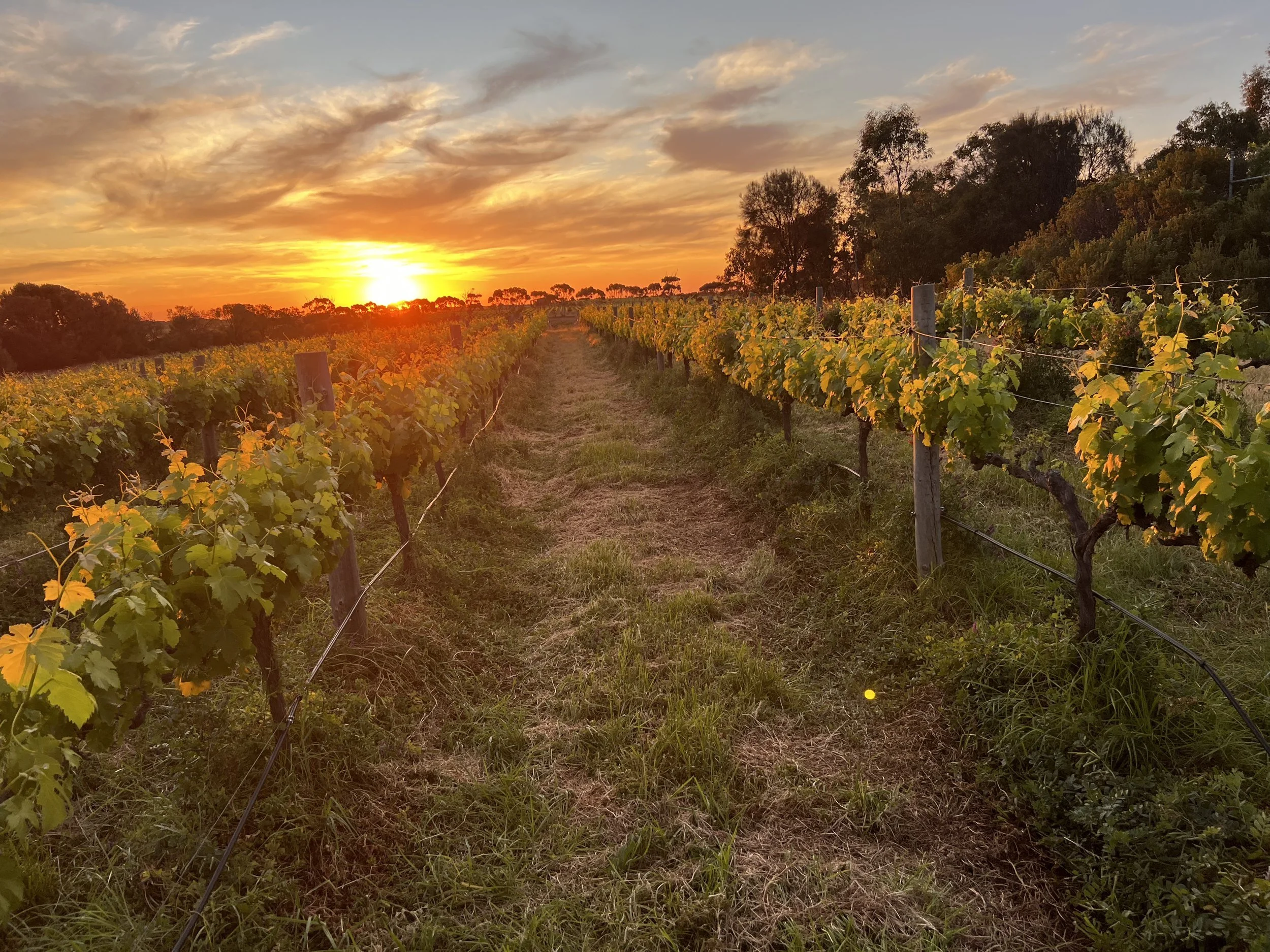
In your glass
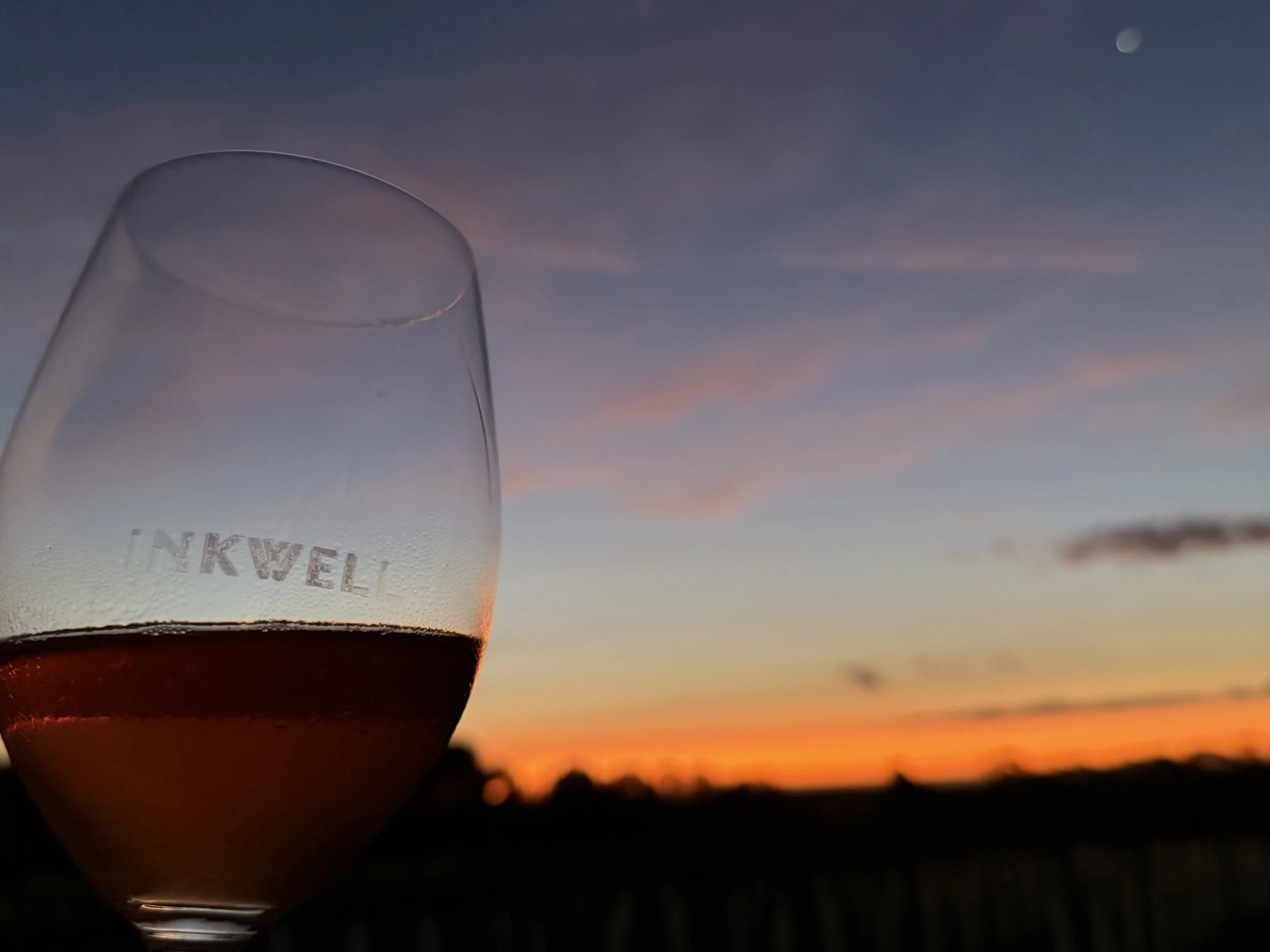
Less alcohol, in fully ripe fruit.
Sugar at harvest has come down by at least one Baumé, from the 14s to the 12s, so our wines carry less alcohol in fully ripe fruit. Taste it with us, or take it home. Book a tasting Shop wine